In every platform shift I’ve watched up close, the winners share one trait. They understand their customers deeply, and they use that understanding to build for where those customers are going, not only where they are today. Most companies manage one or the other. The winners sit in the uncomfortable middle between them.
I’ve spent fifteen years working with technical founders across several infrastructure shifts, and I’ve come to treat that pattern as the closest thing to a rule I’ve found. It’s what I recognized when I met Adam Barker for coffee in London earlier this month.
The coffee was scheduled for an hour. We talked for three. I joined the following week.
What struck me wasn’t how he talked about the product. It was what he focused on. Most founders, given three hours, will spend most of it on what they’re building. Adam spent most of it on the people he’s building for: how operators actually run their businesses, where the current tools fail them, what they’ve quietly learned to work around. The product came up as a consequence of that understanding, not the other way around.
Since joining, I’ve seen the same instinct applied to AI. Not as a narrative to ride or a feature to bolt on, but as the specific thing that finally makes an open, operator-owned platform viable at the scale of a whole industry.
Self-storage is in the middle of a platform shift, and most of the industry hasn’t named it yet.
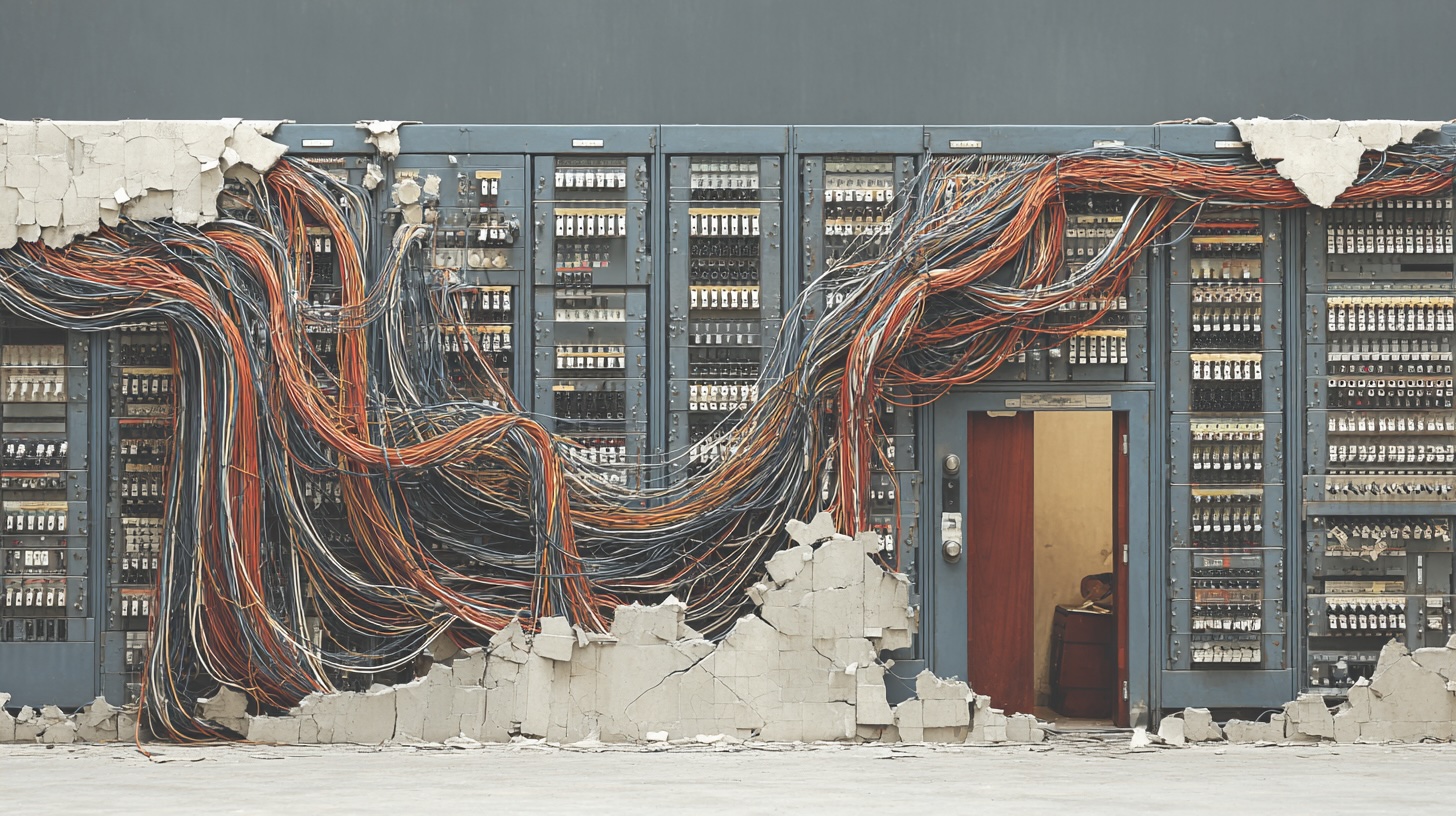
Self-storage operators, the people and companies who run storage facilities, depend on management software to run their businesses. That software was built for a different era, by companies that have since consolidated their position and started behaving like it. There are roughly 50,000 self-storage facilities in the United States. One dominant platform now sits inside more than 33,000 of them. Payment processing fees rise year after year with no room to negotiate, because operators don’t choose their processor. Their management software does. Integrations only work with approved partners. Features operators have been asking for don’t ship, because they’re not on someone else’s roadmap. The most valuable asset these businesses have, their customer data, sits inside a system they don’t control. The dominant platform isn’t serving operators. It’s renting them access to their own business.
Operators have been frustrated by this dynamic for years. What’s changed is that, until recently, they had no realistic alternative. Building your own tooling required a development team, a procurement cycle, and an implementation timeline most operators couldn’t justify against a closed platform that, bad as it was, at least worked.
That constraint is what AI has quietly removed.
ManageSpace exists to break the existing dynamic. We provide the core infrastructure, inventory management, billing, and workflow orchestration, and then we get out of the way.
An operator who knows exactly how their business should run, because they’ve run the process in their head a thousand times, can now describe it in their own words and have it built.
This is the thesis the founders built the company on. What’s changed is that AI makes an open platform viable at the scale and sophistication the industry actually requires.
The bet, plainly.
The next generation of property management and self-storage infrastructure will not be built by the platform that consolidated the last one. Closed ecosystems optimize for extraction: rising fees, gated integrations, captured data.
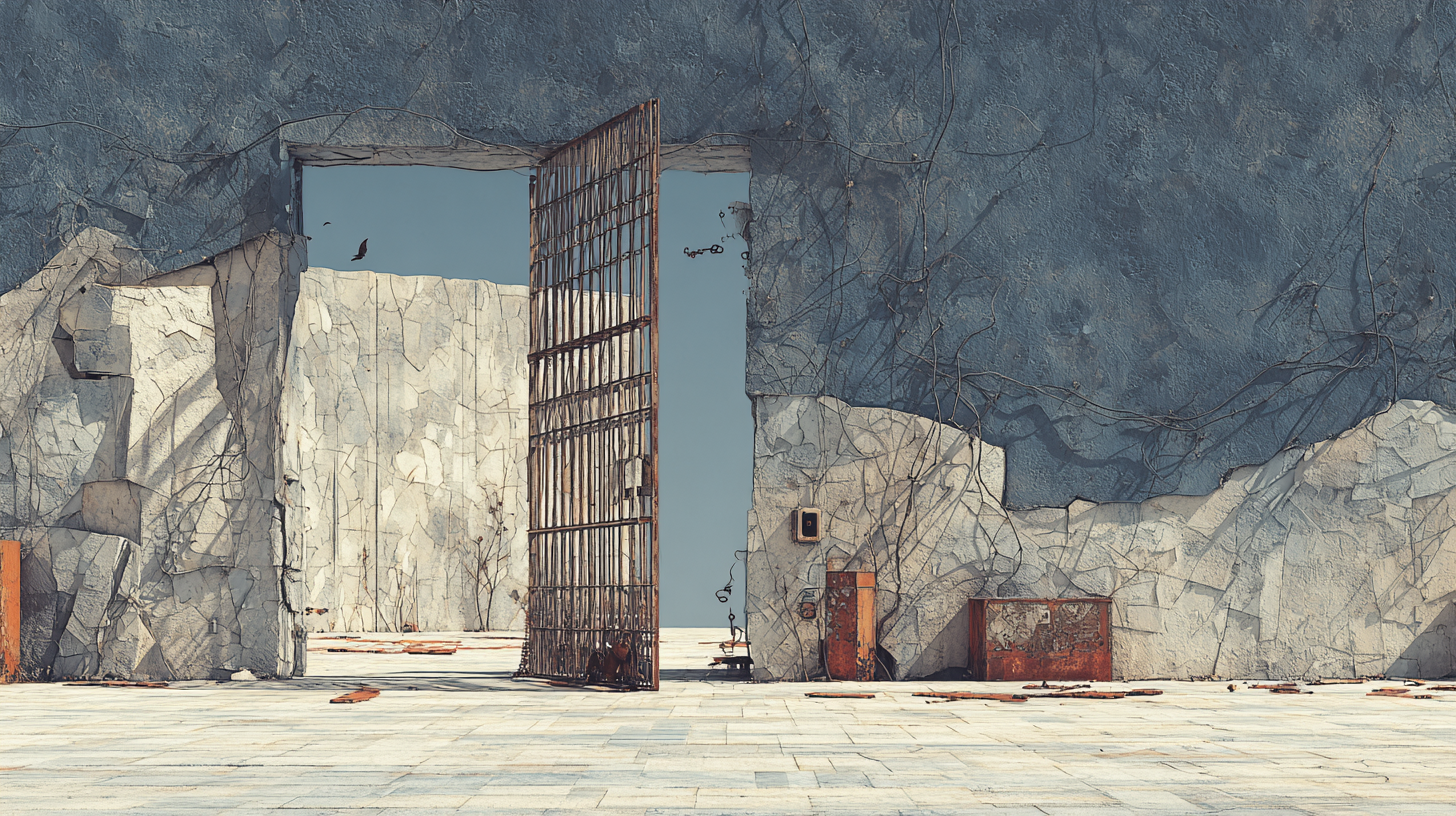
The next generation will be built by a team that understands operators deeply enough to know what belongs in the core, disciplined enough to stop there, and confident enough to let operators and the ecosystem around them build the rest. That’s the version of this industry we’re building toward. One where the operators closest to their customers have the tools to act on what they know, and where the platform underneath them is a foundation, not a fence.
What comes next is the part I’m most excited about.
The thesis is in place. The core infrastructure is under way. The shift that makes it all viable at scale is coming together. What’s ahead is the acceleration: a generation of operators building on our platform in ways we haven’t yet imagined, and the industry’s power starting to move from the closed platform back toward the people actually running the businesses.
Self-storage is where we start, but the shape of the shift is broader. Property management beyond storage has the same structural problem and the same opportunity opening up, and we intend to be there for it.
Want to be part of it? Get in touch!